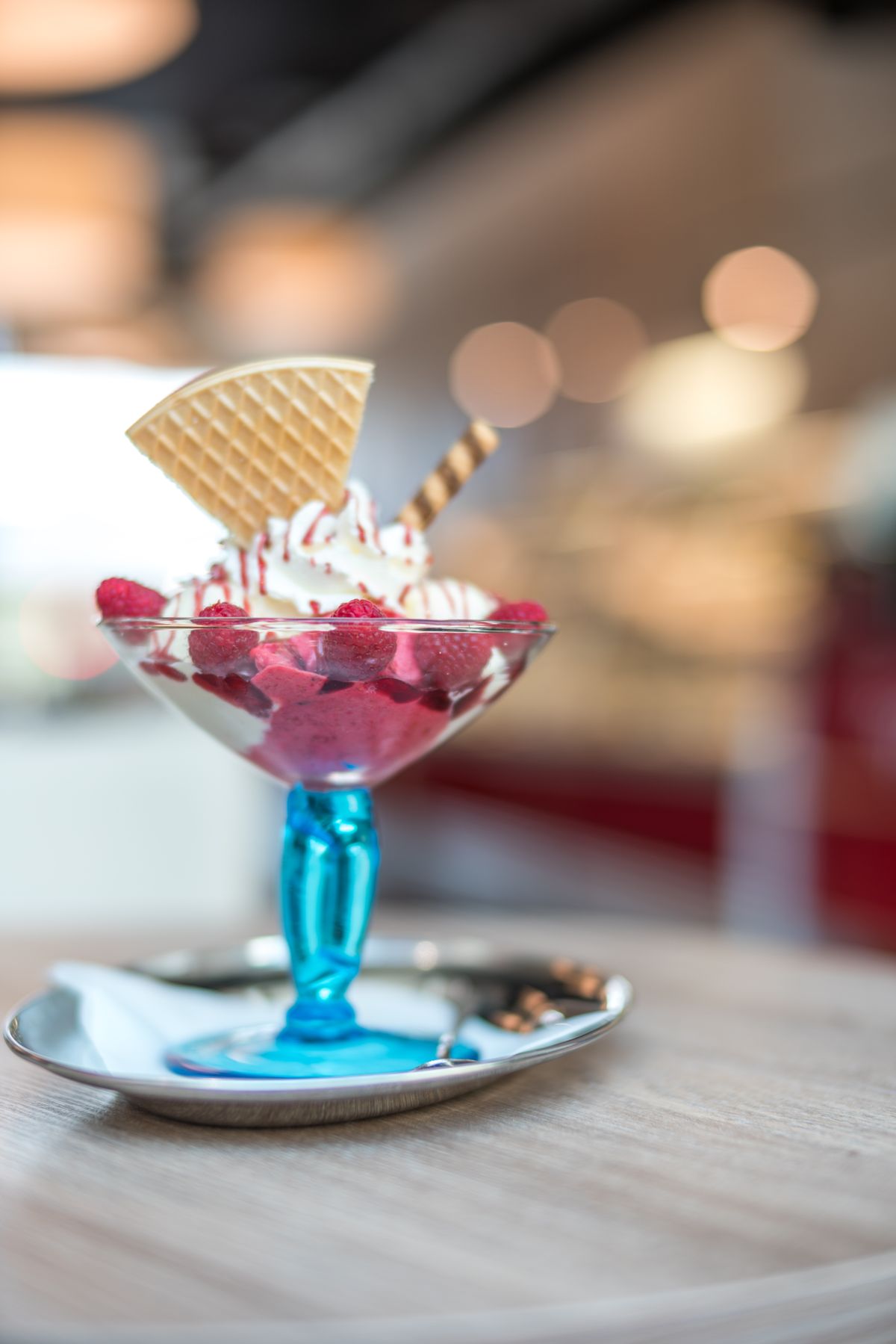
Soft serve is showing up in coffee shops and bars — because the margin is absurd
You went in for a cortado and walked past a soft-serve machine. You ordered a beer and the dessert menu had a swirl on it. If it feels like soft serve is appearing in places it has no business being, you're not imagining it — and the explanation has almost nothing to do with dessert.
In 2026, rising soft-serve demand is no longer limited to ice cream shops. Coffee chains, bakeries, bubble tea stores and bars are adding it to diversify menus and lift average order value. The U.S. frozen desserts market was estimated at $21.7 billion in 2025 and is projected to more than double by 2033.
The margin nobody talks about
Here's the honest reason a coffee shop installs a soft-serve machine: soft ice cream has low ingredient cost, high margin and broad consumer appeal. That's the whole pitch.
Think about what goes into a cone. Dairy base, air, a paper cone, about twelve seconds of labor. Compare that to a latte, which needs an expensive espresso machine, a trained barista, milk that gets steamed and often wasted, and a cup with a lid and a sleeve. The soft serve wins on nearly every cost line and sells for a comparable price.
Add that it's an impulse purchase — the item a customer tacks on after deciding what they came for — and you understand why operators are finding floor space for a machine that costs a few thousand dollars and pays for itself in a season.
• U.S. frozen desserts market: $21.7 billion (2025), projected to reach $49.1 billion by 2033 — a 10.6% CAGR
• Adopters beyond ice cream shops: coffee chains, bakeries, bubble tea stores and bars
• The economics: low ingredient cost, high margin, broad appeal
• Multi-cylinder machines hold a 62.2% share of the soft-serve market in 2026
• Flavor is the top purchase driver — 7 in 10 say it's very important
• Viral formats pulling traffic: Korean-style bingsu and loaded soft-serve builds
(Sources: U.S. frozen desserts market analysis; International Dairy Foods Association sales and trends data; soft-serve equipment market reports, 2026)
What the multi-cylinder number tells you
One statistic in that box is more revealing than it looks: multi-cylinder machines hold 62.2% of the soft-serve market this year. A single-cylinder machine does one flavor. A multi-cylinder machine does two plus a twist.
Operators aren't buying the cheap one. They're buying the machine that supports a rotating flavor program, seasonal specials and the twist option that lets an indecisive customer say yes. That's a purchase made by someone planning to build a real menu around it — not someone hedging with a novelty item.
Soft serve is not lesser ice cream
There's a snobbery worth dismantling here. Soft serve isn't "cheap" ice cream — it's a different product made a different way. It's churned and dispensed at a warmer temperature, typically around 20°F instead of near 0°F, with more air incorporated. That's why it's soft, and why the flavor reads brighter and lighter on the tongue than a dense scoop.
Frozen custard, its close cousin, adds egg yolk and runs even richer. Neither is a compromise version of hard-packed pints. They're separate categories with separate techniques, and a well-run machine with good base makes a genuinely excellent product.
The machine, though, is where quality lives or dies. Soft serve equipment has to be broken down and sanitized on a strict schedule, and a shop that treats the machine as an afterthought will serve you something icy, over-aerated or worse. We get into how the machine shapes the swirl in our soft serve guide.
How to order well when it's everywhere
First, flavor drives the decision for seven in ten buyers — so trust the shop that rotates flavors over the one that's had the same two since it opened. Rotation means someone is paying attention to the machine.
Second, price by format before you order. Scoop, pint and cone are priced on wildly different logic, and the cheapest per ounce is rarely the one at eye level. We ran that math in scoop, pint or cone: where you pay the most.
Third, if you want to know what you're actually eating, the differences between ice cream, gelato and custard are real and worth knowing — they're in our ice cream vs gelato vs custard guide.
Your coffee shop didn't install a soft-serve machine because America demanded it. It did the math on a $4 cone that costs 60 cents to make — and found a way to sell you dessert on the way out.