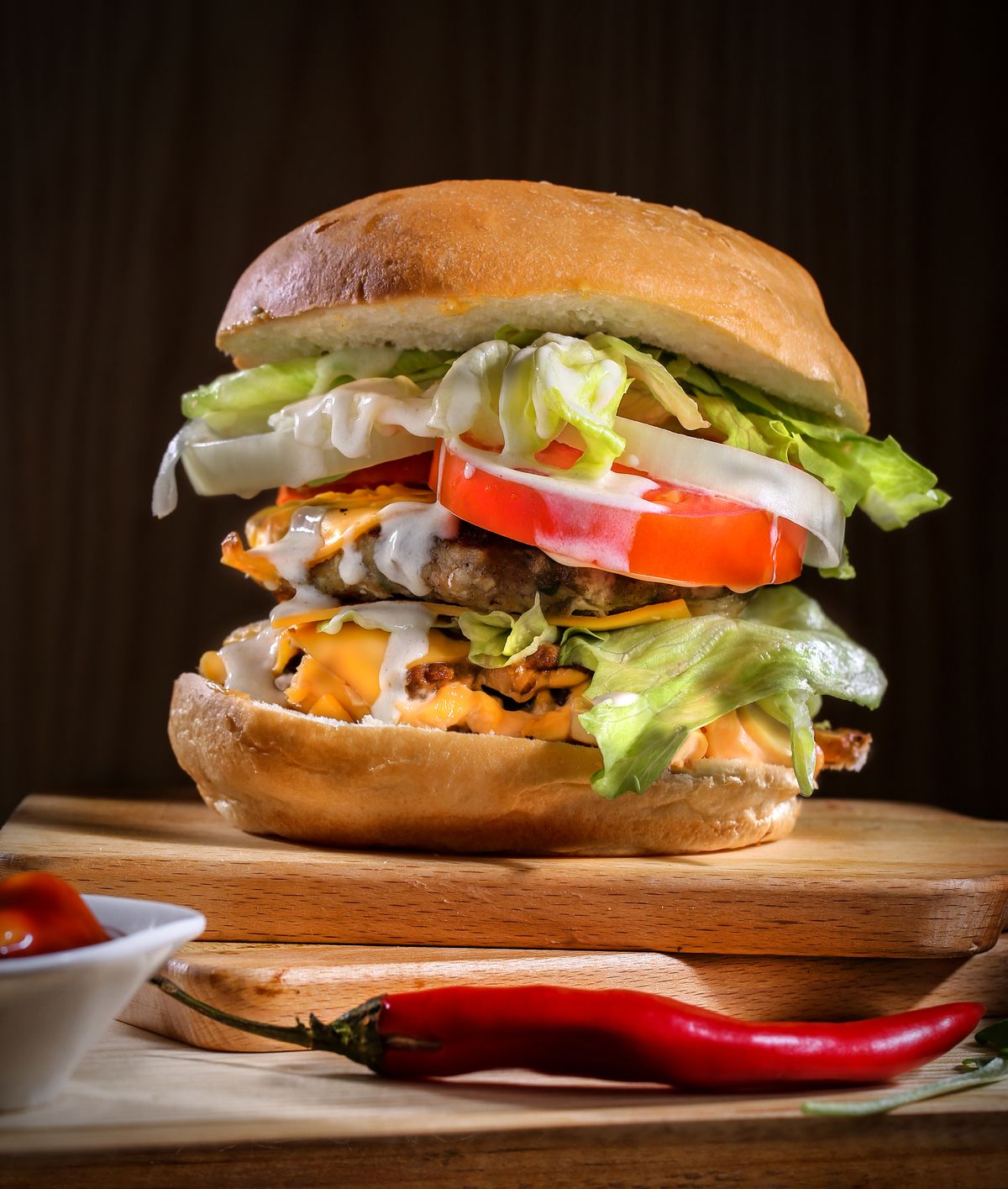
300,000 tons of tariff-free ground beef are coming — at 25% below market
If you've been quietly furious about what a burger costs in 2026, here's a number that explains it better than any menu: the U.S. cattle herd is at a 75-year low. Not a five-year low. Not a post-pandemic low. The smallest it has been since the Truman administration.
That's the backdrop for the announcement on Friday, August 21, 2026, when President Trump said the U.S. would allow 300,000 metric tons of ground beef into the country over the next 90 days without being subject to out-of-quota tariffs — with those imports to be sold at 25% below current market prices.
Why beef got expensive and stayed there
Cattle math is slow math. A cow bred today produces a calf in about nine months; that calf needs another 18 to 24 months before it's finished for slaughter. Which means a decision a rancher makes this year shows up as beef supply somewhere around 2029.
Years of drought, high feed costs and aging producer demographics pushed ranchers to sell off breeding stock rather than expand. Every heifer sold for slaughter instead of kept for breeding is a supply hole three years out. Do that repeatedly and you get a 75-year low — and prices that don't respond to anything policymakers do this quarter.
• Announced Aug. 21, 2026: 300,000 metric tons of ground beef, tariff-free for 90 days, priced 25% below market
• Fresh 81% ground beef: $334.37 per hundredweight
• Fresh 93% ground beef: $489.21 per hundredweight
• Boxed beef cutout (all fed steer/heifer): $364.68 per hundredweight
• Live cattle, week ending Aug. 14: about $2.28 per pound
• U.S. cattle herd: at a 75-year low; beef cow herd near 28 million head
(Sources: USDA beef market reports, August 2026; White House announcement, Aug. 21, 2026; American Farm Bureau Federation market analysis)
What 90 days actually buys
Let's be honest about the scale. 300,000 metric tons sounds enormous until you set it against U.S. annual beef consumption, which runs in the millions of tons. This is a meaningful but temporary injection into the ground beef market specifically — the commodity end, where fast food and grocery store chubs live.
And it's 90 days. A restaurant signs a lease for ten years, a supply contract for one, and prints a menu it hopes to keep for six months. A three-month tariff window is not the kind of stability anyone reprices a menu around. Expect the relief to show up in wholesale invoices and grocery flyers well before it shows up on a burger joint's chalkboard.
Why ranchers aren't celebrating
Here's the tension the announcement created. Cheaper imported beef helps restaurants and grocery shoppers — and directly pressures the price American ranchers receive at exactly the moment they'd need high prices to justify rebuilding the herd.
That's the policy knot. Import relief lowers today's burger price while weakening the incentive that fixes tomorrow's supply. Ranchers rebuild when profits justify holding back heifers instead of selling them, and holding back a heifer costs money for years before it pays anything.
The beef cow herd is expected to start 2026 about 150,000 head larger, near 28 million — a modest rebuild that high input costs, aging producer demographics and land-use competition will keep from accelerating.
What this means at the counter
Practically: don't expect your $14 smash burger to become an $11 smash burger this fall. The chains buying commodity ground beef at scale will feel this first, and even they tend to bank a short-term cost break rather than reprice a menu they'll have to raise again in January.
What you can do is understand what you're paying for. The difference between a $6 burger and an $18 one isn't mostly the beef — it's the blend, the labor, the bun and the room. We break it down in our guide to the $18 burger and what you're actually paying for, and the blend question specifically in burger blends: chuck, brisket and the 80/20 rule.
Three hundred thousand tons of tariff-free beef is a 90-day patch on a problem that's been 75 years in the making and takes three years to unwind. Enjoy the discount if it reaches you. Don't build a budget around it.